


Chromatic Construct: Exploring Colors Tessellations and Spatial Forms
 8th April 2026
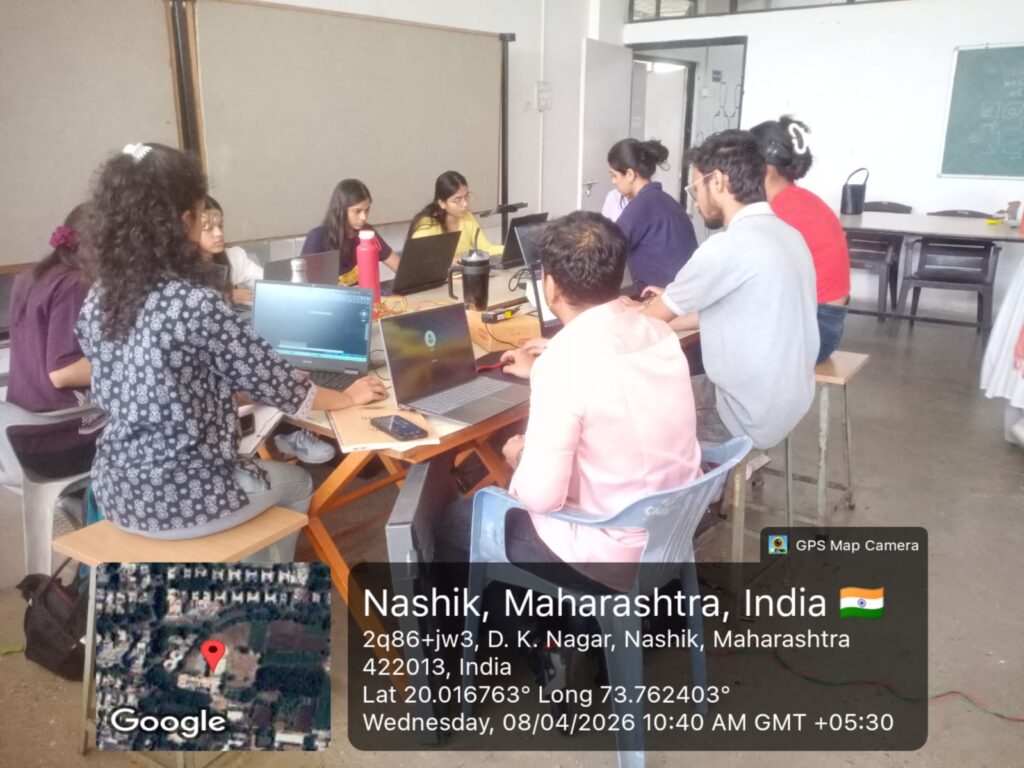
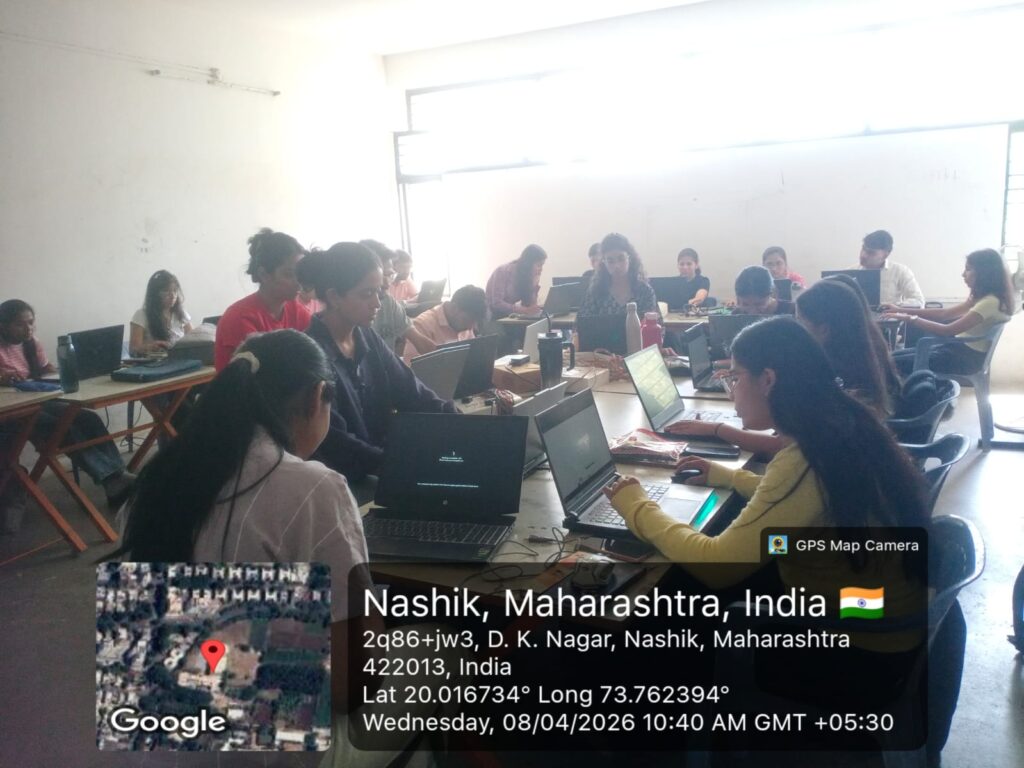
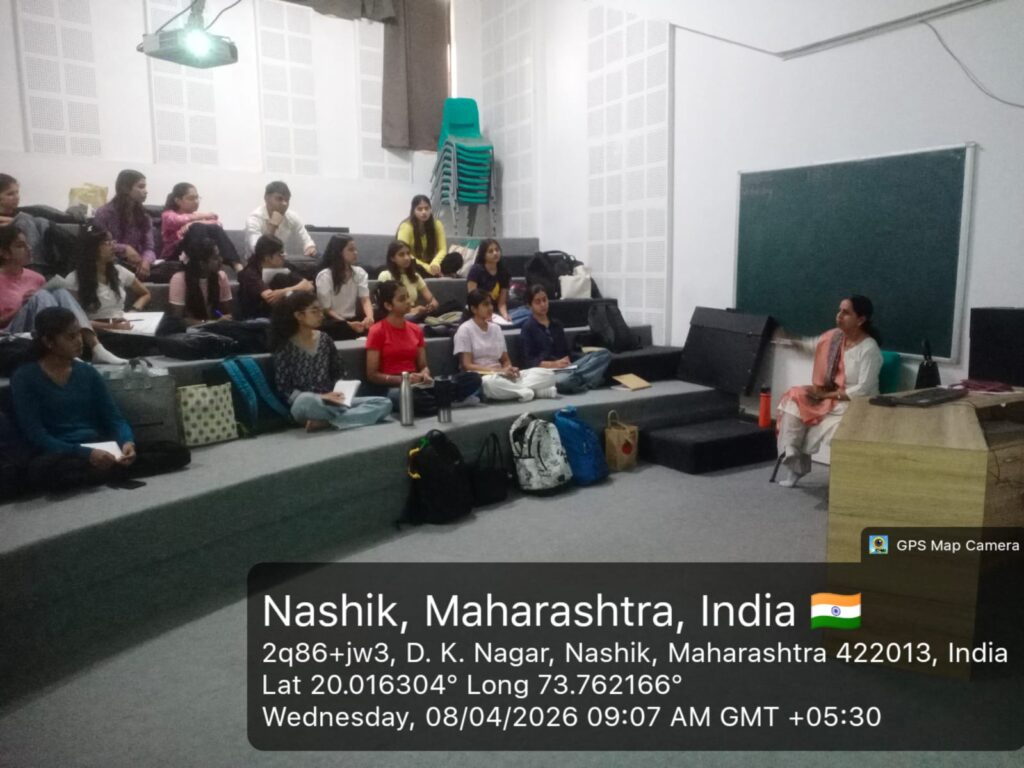
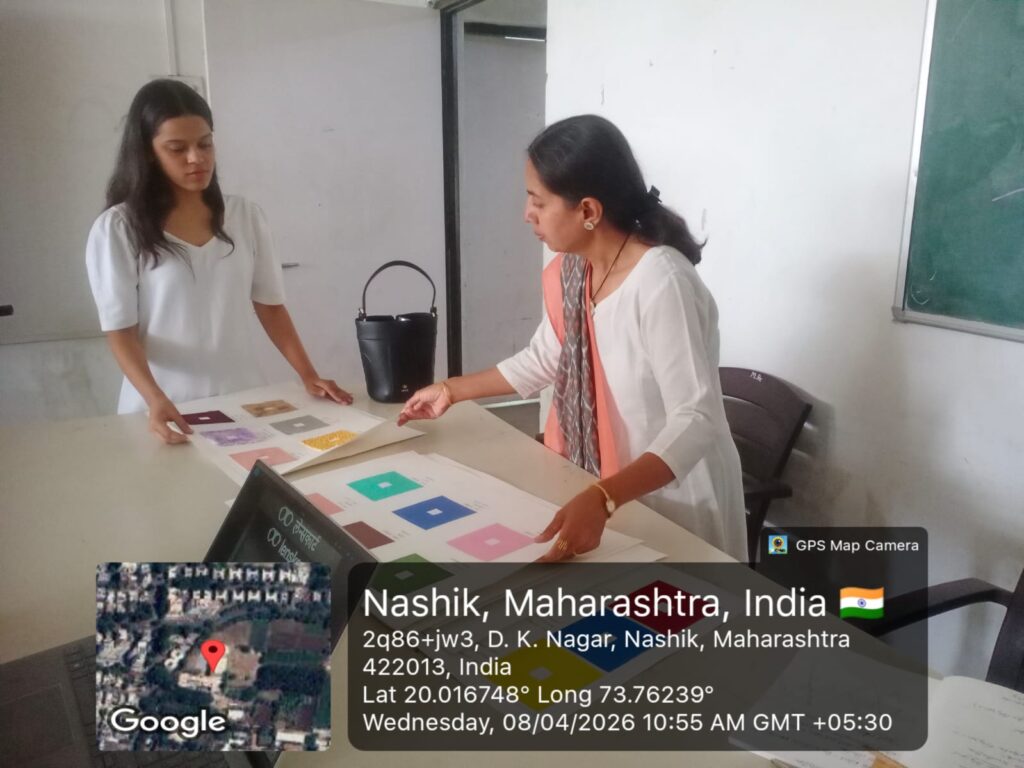
Conducted under the subject Elements of Space Design, the workshop “Chromatic Construct: Exploring Tessellations and Spatial Forms” introduces interior design students to the relationship between color, geometry, and three-dimensional spatial composition through creative hands-on exercises. Students had investigate tessellation patterns, color harmonies, and modular design principles to transform two-dimensional geometric arrangements into dynamic spatial forms. Through experimentation with shapes, repetition, and color application, students had develop an understanding of visual rhythm, balance, and spatial organization. The workshop had encouraged to creative thinking, material exploration, and the practical application of design elements and principles within interior spaces.
Block Print
29th ,30th, & 31thDecember 2025
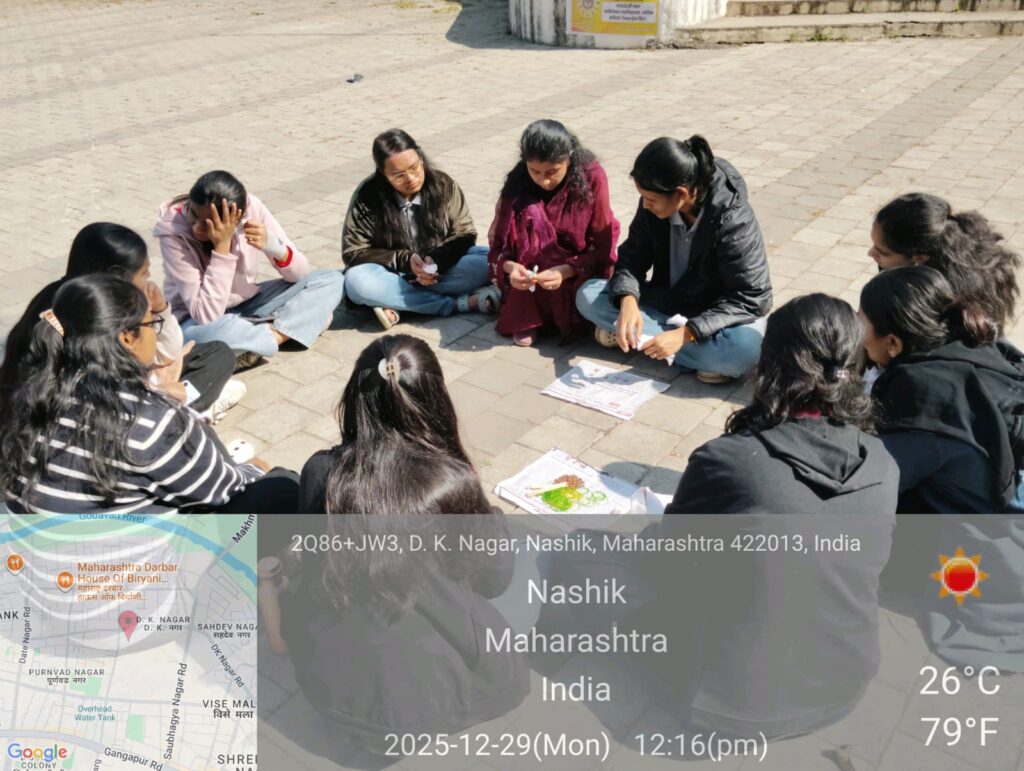
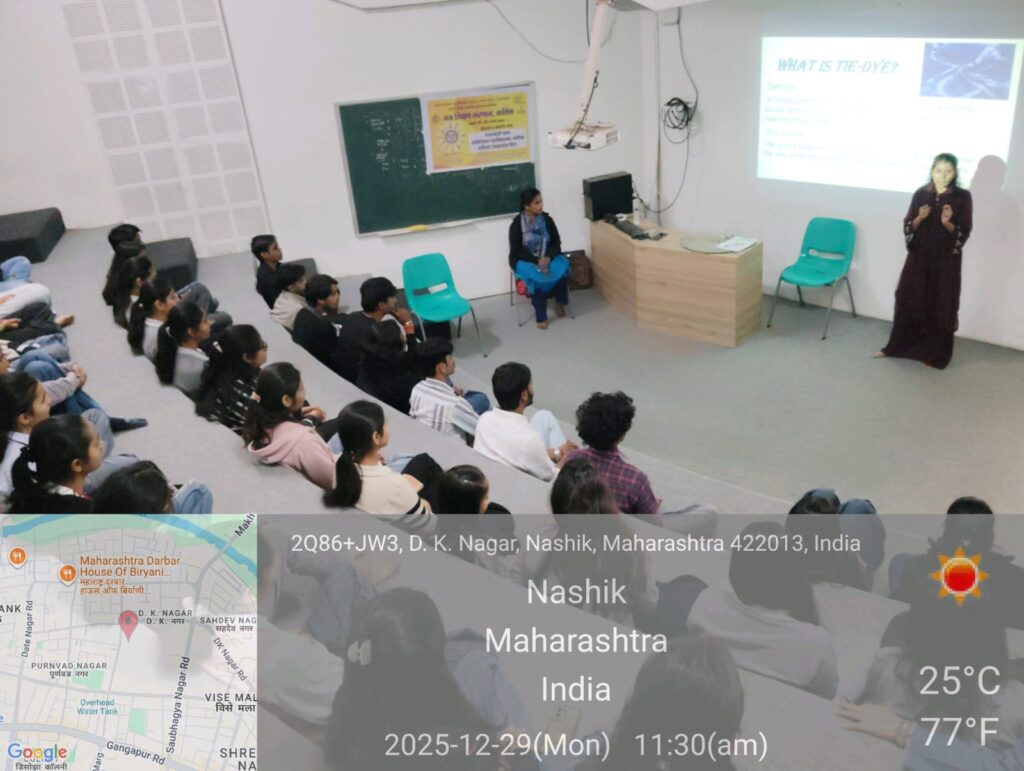
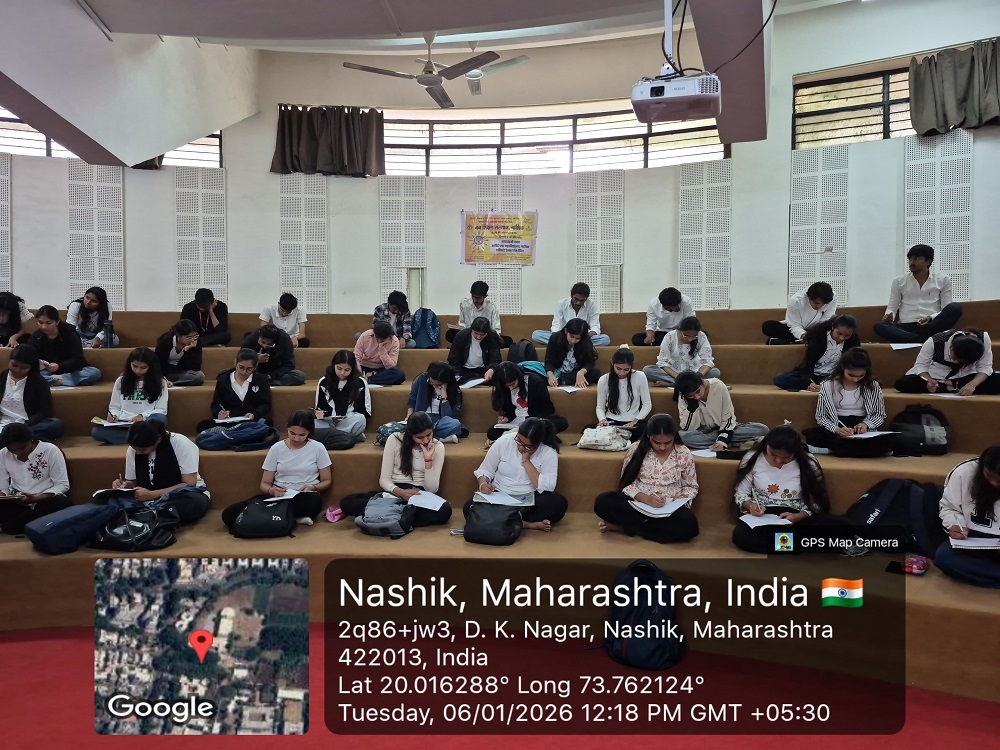
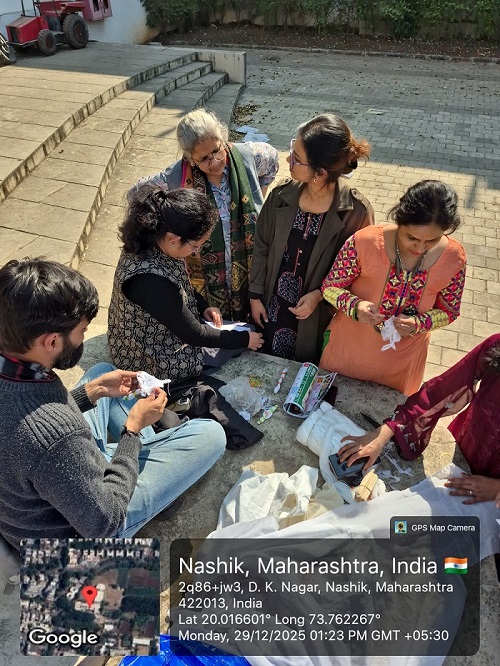
The block printing workshop began with an introduction to the history and significance of block printing, along with an explanation of tools, materials, and types of blocks. Students selected appropriate fabrics such as cotton or linen and prepared them by washing and ironing to ensure a smooth printing surface. Designs and motifs were planned, keeping in mind pattern alignment and repeats. Wooden blocks were dipped into prepared fabric colors and carefully stamped onto the fabric with even pressure to achieve clear impressions. Students practiced maintaining rhythm, spacing, and consistency while printing the designs. Multiple blocks were used for different colors, requiring precise alignment to avoid overlapping or smudging. After printing, the fabric was left to dry and then fixed using appropriate methods such as steaming or heat setting. The final process included washing and ironing the fabric, allowing students to observe the finished prints and understand the craftsmanship involved in traditional block printing.
Tie and Dye
29th ,30th, & 31thDecember 2025
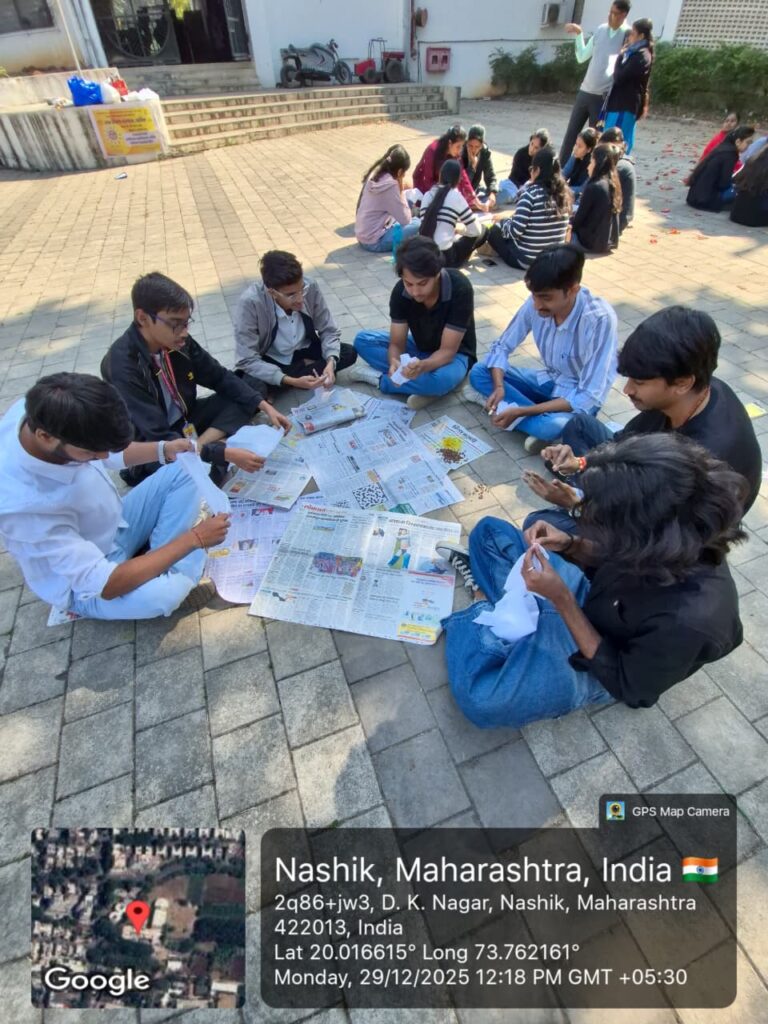
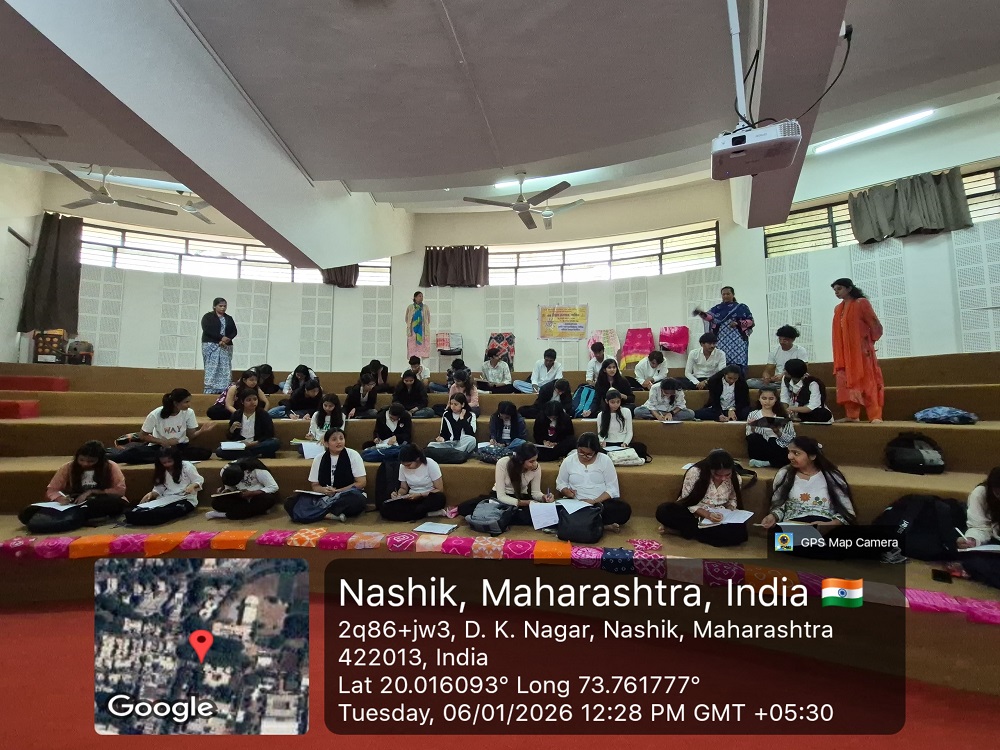
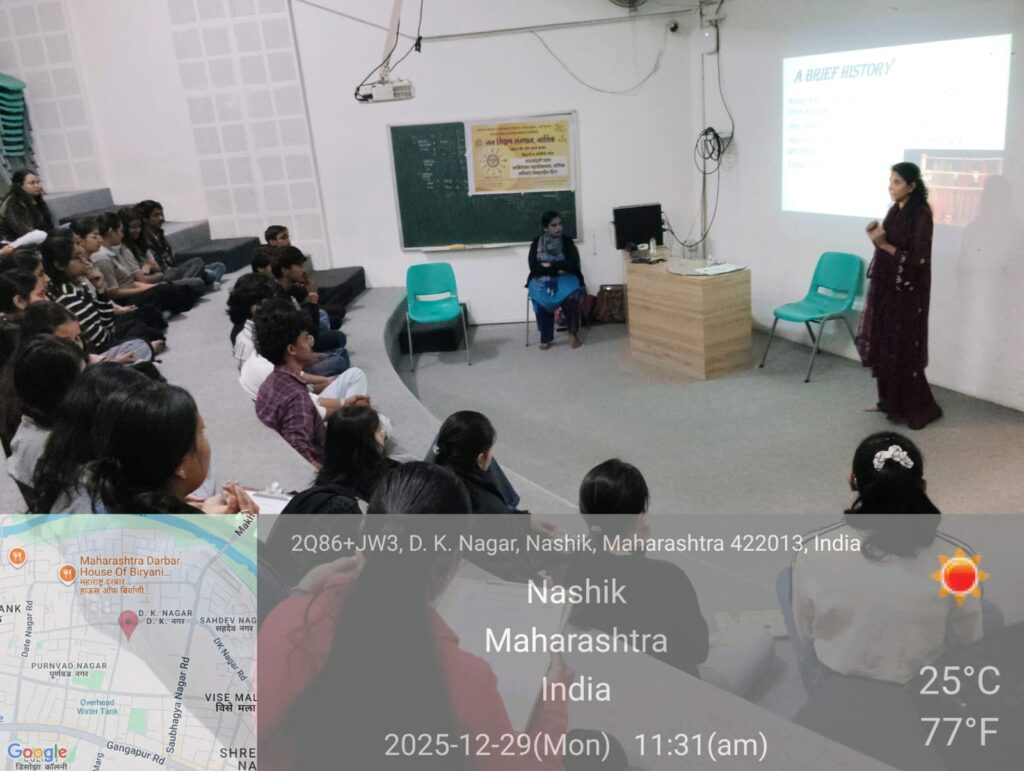
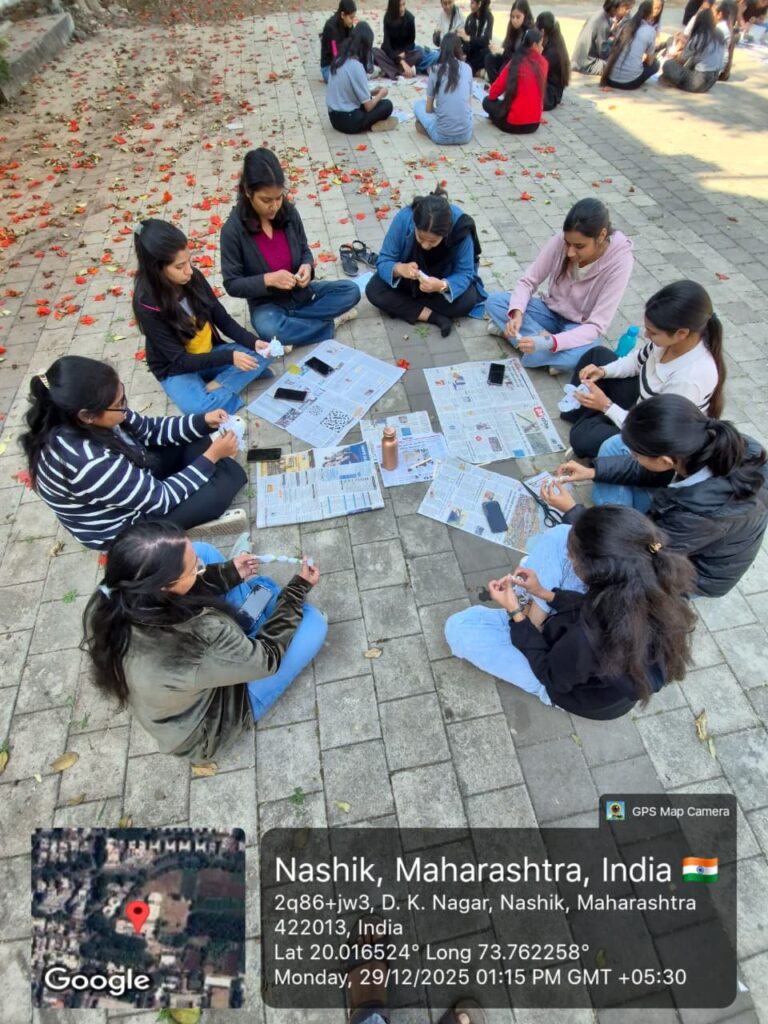
The tie and dye process began with an introduction to the history, significance, and various styles of tie and dye, along with an explanation of suitable fabrics such as cotton and silk. The fabric was then folded, twisted, pleated, or knotted using threads, rubber bands, or strings in different techniques to create resist patterns. Once the tying was completed, dyes were prepared by mixing colors in appropriate proportions. Students carefully applied or dipped the tied fabric into the dye solutions, experimenting with single and multiple color combinations. After sufficient dye penetration, the fabric was set aside for drying. The tied portions were then untied to reveal unique patterns, followed by washing and drying the fabric. The final step involved ironing and finishing the fabric, allowing students to clearly observe the patterns and understand the relationship between technique, color, and design outcome.
